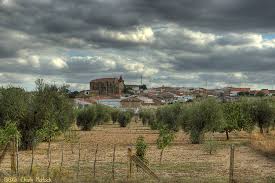
Historia de Aljucén
La fundación de Aljucén se estima musulmana, según evidencia su nombre, vocablo árabe que significa castillejo o del río cercano denominado en aquella época El Junciel (por las juncias existentes).
Se acoge también al trazado de la antigua Vía de la Plata hacia el norte de Mérida, asentándose junto al río de su mismo nombre. Sobre éste se alzaba un puente romano de tres arcos hoy ya desaparecido.
Naturaleza en Aljucén
En el tramo que une Aljucén a Mérida, y jalonando los márgenes del Río Aljucén, se conservan restos de la vegetación de ribera característica de la cuenca del Guadiana, con bosquetes de fresnos, álamos, sauces y mimbreras, y rodales de adelfas y atarfes.
Estos sotos albergan una interesante comunidad faunística, asociada al medio ribereño, cuyos elementos más llamativos son las aves. La más representativa es la Garcilla Bueyera, que anida en nutridas colonias en los islotes del embalse, haciendo blanquear los árboles en la época de cría. Pueden observarse también ánades, fochas, pollas de agua, gaviotas, cormoranes y otras muchas aves acuáticas.
Aljucén se encuentra dentro del perímetro del Parque Natural de Cornalvo, un lugar protegido, un oasis en cierta medida que tiene la función de preservar los ecosistemas y los ritmos naturales.
En este espacio abundan las dehesas de encinas y de alcornocales, a excepción de la vegetación de ribera, que se conserva en las orillas del río Aljucén y los arroyos del Muelas, de la Fresneda o del propio Albarregas.
La Vía de la Plata a su paso por Aljucén
El pueblo de Aljucén está incluído en el recorrido de la Vía de la Plata romana, que luego fue el camino sur de peregrinación a Santiago de Compostela.
La Vía de la Plata era una calzada romana que atravesaba la parte oeste de la península de norte a sur. Su nombre, curiosamente, no deriva del precioso metal, sino de la palabra árabe «balat», que significa camino empedrado.
El trazado de la Vía de la Plata transita a través de un corredor natural entre Mérida y Astorga, que ya utilizaban los pueblos prerromanos para comerciar con el sur de la Península. Fue más tarde, durante la época de dominación romana, cuando se construyó la calzada que uniría ambas ciudades, y que luego se ampliaría hasta llegar a Sevilla por el sur y a Gijón por el norte.
Ruta del Cordel del Cerro del Gato
Un recorrido fluvial siguiendo el curso del río Aljucén a lo largo de 7 kilómetros de longitud.
Iglesia Parroquial De San Andrés Apostol
Fue construida por la Orden de Santiago entre los siglos XV y XVI bajo la advocación de San Andrés Apóstol, patrono del pueblo.
Destaca la portada renacentista orientada al Oeste, de gran belleza y elegancia, la cual está coronada por dos medallones que representan a Santiago Apóstol y a San Andrés Apóstol, con sus respectivas cruces.
Se trata de una iglesia de pequeñas dimensiones, con una única nave edificada en mampostería y sillares de piedra dividida en dos tramos, planta de cruz latina con bóveda estrellada, y una torre que es la prolongación de la fachada.
Lavadero
Desde hace unos años se trabaja en la recuperación del antiguo lavadero y su entorno, acondicionado para poder ser visitable, permitiendo hacerse una idea de cómo era su funcionamiento.
En torno al Lavadero, se esta habilitando una zona de arboleda, aparcamiento y merendero para disfrute de vecinos y peregrinos.
Los Pozos
Existen en la localidad dos pozos comunitarios que antaño abastecían de agua a los vecinos de la localidad.
Se ha procedido a su recuperación y puesta en valor para que sean visitables.
El pozo de La Abuela y el pozo Calle Nueva.
Zona de Recreo
En el tramo del río Aljucén que transcurre por la localidad hay acondicionada una zona de recreo, con un área de juegos infantiles, mesas, bancos, barbacoas, que permite disfrutar de un entorno natural privilegiado.
Fiestas de Aljucén
FIESTA DEL EMIGRANTE: Se celebra el fin de semana siguiente al día 15 de agosto.
FIESTA PATRONAL DE SAN ANDRÉS: Ultimo fin de semana de noviembre.
DOMINGO DE RESURRECCIÓN: Romería de la confraternidad organizada por los 3 municipios limítrofes de Aljucén, El Carrascalejo y Mirandilla.
ROMERÍA: Conocida popularmente como “la fuente de la peseta”, que se celebra el primer domingo de mayo.
Gastronomía
La gastronomía típica está representada por platos fríos; ya sean gazpachos al estilo extremeño, sopa de tomate, sopa de ajo, ensaladas de lechuga y tomate, junto a suculentos preparados a base de cordero: caldereta de cordero, cordero estofado, o cordero asado.
Dónde comer y dormir en Aljucén
ALBERGUE RIO ALJUCEN
C/ Santiago de Compostela, 2 Aljucén (Badajoz)
Tfnos: 924349456 – 695171383
HOTEL RURAL AQUA LIBERA
C/ Cáceres, 26 Aljucén (Badajoz)
Tfnos: 924310032 – 667520190
CASA RURAL MERIDA
Avda. de Extremadura,8 Aljucén (Badajoz)
Tfno: 657382901
Teléfonos de interés
Ayuntamiento: 924 31 69 01
Urgencias: 112
Bomberos: 080
Taxi (Mérida): 924309026
History of Aljucén
The origin of Aljucén dates from Muslim period in the Iberian Peninsula, whose present name comes from the Moslem «Al-Huṣayn», that means «the scaffolding», little fortress although it might have been named after the nearby river formerly called El Junciel (by the presence of sedges).
It is also located on the route of the old Via de la Plata, settled next to its namesake river. Above it, a Roman bridge was built with three arches nowadays disappeared.
Nature
In the section that joins Aljucén to Mérida, along the banks of Aljucén River, characteristic riverside vegetation of the Guadiana basin are preserved, with small woods of ash trees, poplars, willows and crack willow and brambles, and stands of oleanders and tamarisks.
These groves are home to an interesting fauna community, associated with the riverside environment, where birds are the most striking elements. The most representative is the Cattle Egret which nests in nourished colonies on the islets of the reservoir, whitening the trees during the breeding season. There are also ducks, coots, water cocks, seagulls, cormorants and many other aquatic birds.
Aljucen is located within the perimeter of Cornalvo Natural Park, a protected oasis for the preservation of ecosystems and natural rhythms.
In this area Holm oaks and cork oak are abundant, except for the riverside vegetation, which is preserved on the banks of the river Aljucén and the streams of Muelas, Fresneda or Albarregas.
Via de la Plata
The village of Aljucén is part of the Roman Silver Route, which later became the southern pilgrimage route to Santiago de Compostela.
The Silver Route was a Roman road which crossed the western part of the Iberian Peninsula from north to south. It is not named after the precious metal, but from the Arabic word «balat», which means paved road.
Via de la Plata runs through a natural corridor between Mérida and Astorga, already used by the pre-Roman towns to trade with the south of the Peninsula. It was later, during the Roman domination period, when the road linking the two cities was built, which would later be extended to Seville in Andalusia -to the south- and Gijón in Asturias -to the north-.
Route “Cerro del Gato”
A fluvial route following the course of the river Aljucén along 7 kilometers.
Parish Church Of San Andres Apostol
It was built by the Order of Santiago between the fifteenth and sixteenth centuries dedicated to St. Andrew the Apostle, patron saint of the town.
Renaissance doorway facing west, beautiful and elegant, is crowned by two medallions representing Saint James the Apostle and Saint Andrew the Apostle, with their respective crosses.
It is a small church, with a single nave built in masonry and stone ashlars divided into two sections. It has a Latin cross plan with a vault with star motifs, and a tower which is an extension of the doorway.
The Laundry
Reconstruction works on the old public laundry and surroundings allow the visitors imagine the former function of the place.
Grove, car park and picnic area are being installed around the old public laundry for the enjoyment of neighbours and pilgrims.
Wells
Two community wells were used to supply water to the locals.
Nowadays they have been rebuilt and revalued for the tourists to visit them.
Grandma’s well and New Street well.
Leisure area
Along the stretch of the Aljucén river that runs through the town there is a recreation area, playground, tables and barbecue for the enjoyment of this stunning natural environment.
Parties
PARTY OF THE EMIGRANT: Held on the following weekend after August 15th.
SAINT ANDREW PARTY: Last weekend of November.
EASTER SUNDAY: Pilgrimage for the fraternity organized by Aljucén, El Carrascalejo and Mirandilla.
ROMERIA: Popularly known as «la fuente de la peseta», which is held on the first Sunday of May.
Gastronomy
The typical gastronomy is represented by cold dishes, whether gazpachos in Extremadura style, tomato soup, garlic soup, lettuce and tomato salads, as well as succulent dishes made from lamb like lamb stew or roast lamb.
Where to sleep and eat
RIO ALJUCEN INN
C/ Santiago de Compostela, 2 Aljucén (Badajoz)
Tfnos: 924349456 – 695171383
AQUA LIBERA RURAL HOTEL
C/ Cáceres, 26 Aljucén (Badajoz)
Tfnos: 924310032 – 667520190
MERIDA RURAL GUESTHOUSE
Avda. de Extremadura,8 Aljucén (Badajoz)
Tfno: 657382901
Contact telephones
Town Hall: 924 31 69 01
Emergency: 112
Firefighters: 080
Taxi (Mérida): 924309026
 las13villasdelguadiana